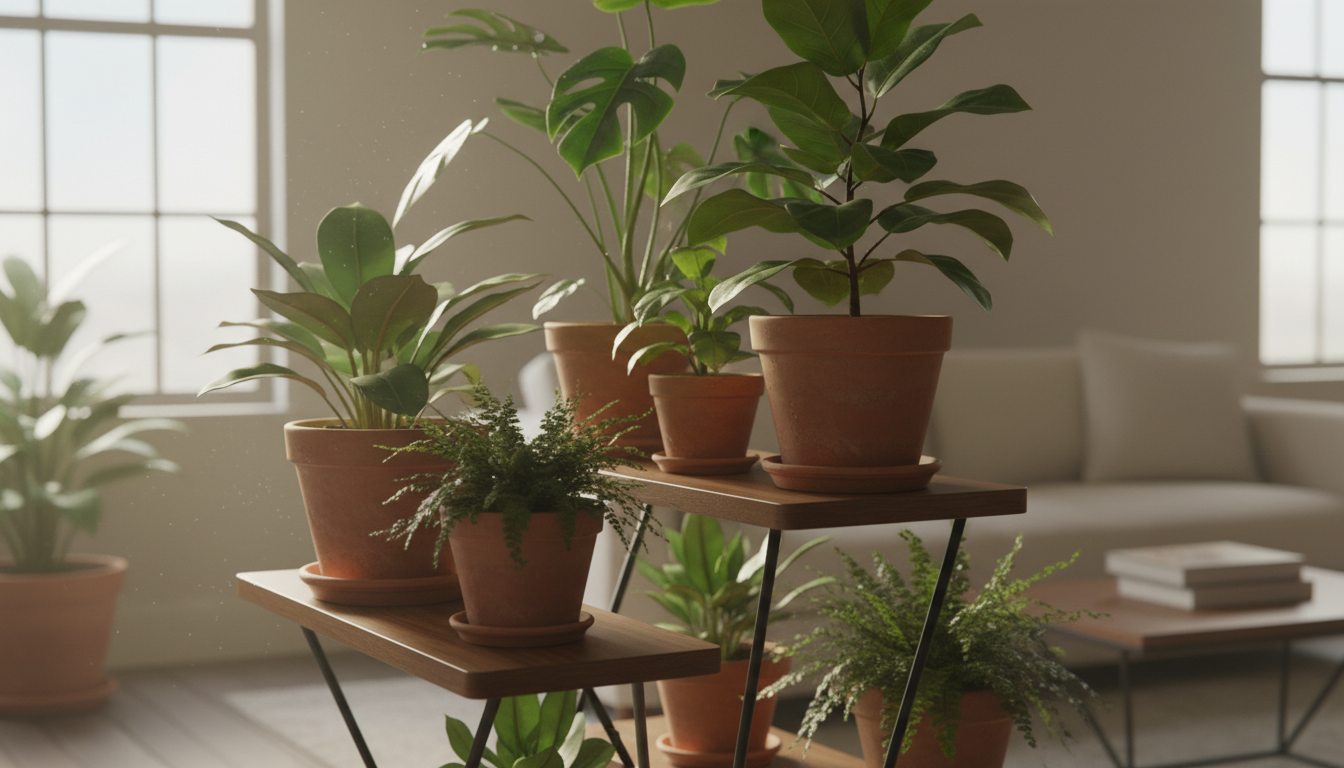
The Ultimate Guide to Indoor Gardening in Small Spaces
Consider Maya, a renter in a 600-square-foot urban apartment. Eager to create a green oasis, she brings home a mature Monstera deliciosa, pots it in a standard ceramic container, and places it directly on her rented hardwood floor. Within four weeks, routine watering and the lack of a specialized drainage tray allow stagnant water to seep silently into the floorboards. The wood warps, requiring expensive repairs.
Maya’s experience shows why successful indoor gardening in small spaces is more than interior decoration. It means translating outdoor ecosystems into controlled, container-based environments while navigating lease restrictions, limited natural light, tight square footage, and the risk of water damage.
Whether you want air-purifying foliage, culinary herbs on a windowsill, or rare aroids, sustainable apartment gardening depends on matching plants to available light and humidity, protecting floors and ceilings, quarantining new specimens, and building soil with reliable drainage. This guide offers a practical framework for indoor plant care that reduces pest outbreaks and supports healthy plants in any urban dwelling.
The Operational Realities of Apartment Gardening
Bringing biology indoors forces urban renters to confront infrastructural limitations. Unlike an outdoor garden where excess water returns to the water table, excess water in a living room returns to your floorboards. This introduces practical, organizational, and even legal constraints that beginner apartment gardeners frequently overlook until damage occurs.
Most standard residential lease agreements influenced by the Uniform Residential Landlord and Tenant Act (URLTA) hold tenants directly liable for structural damage caused by negligence. Waterlogged floorboards, stained carpets, or ceiling damage to the unit below caused by heavy, leaking hanging planters fall squarely into this category. Mitigating these risks requires establishing a disciplined foundation.
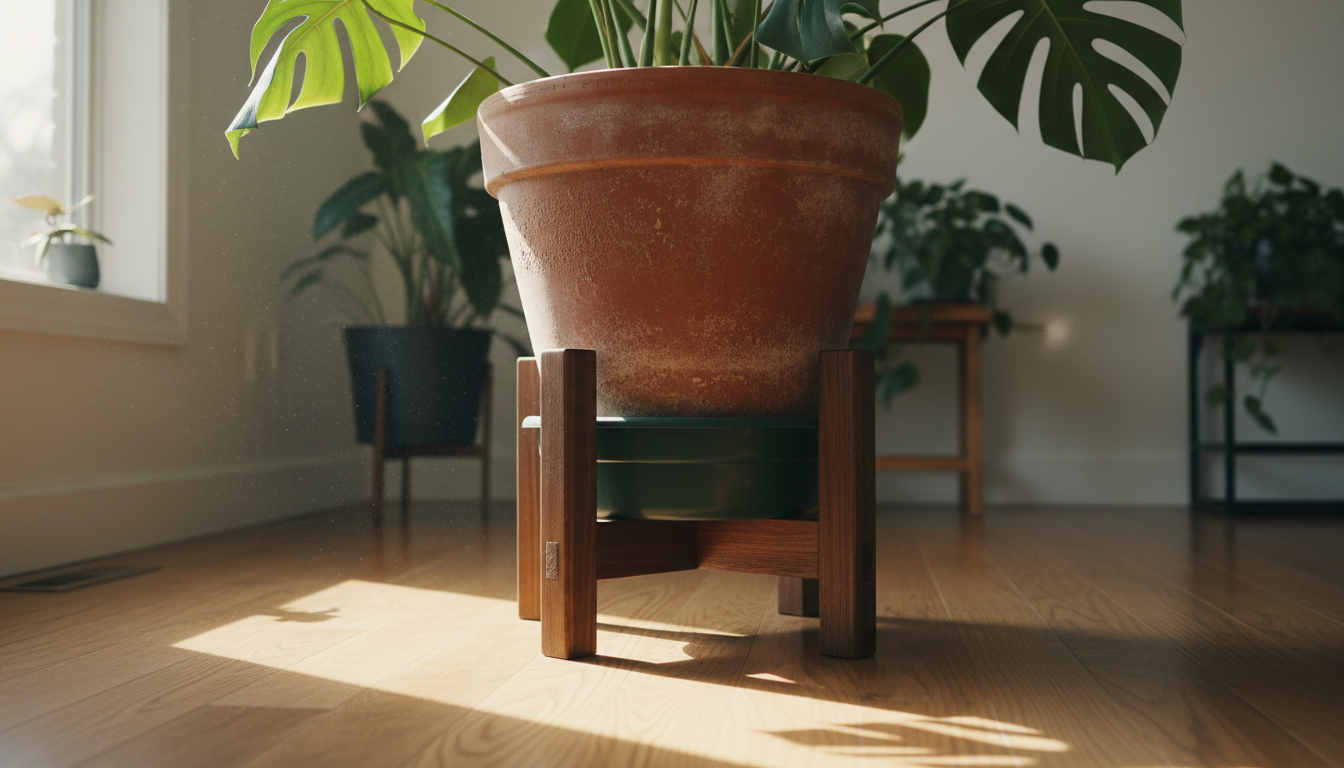
- Weight limits: Wet potting soil is exceptionally heavy. Large masonry pots placed on weak shelving units pose a collapse risk.
- Floor protection: Never place a porous terracotta pot directly on wood or carpet. Always use non-porous plant stands and drainage trays at least one inch deep.
- Ceiling anchors: Hanging planters must be secured directly into ceiling joists using a stud finder, never just drywall anchors, to comply with safe residential load-bearing limits.
Mapping Your Microclimate: Light Physics Indoors
The most frequent mistake in indoor plant care is fundamentally misunderstanding how light behaves as it travels through glass and across a room. Human eyes are highly adaptable and will perceive a room as “bright” even when the actual photic energy available to a plant is near zero. To effectively curate small space plants, you must evaluate light using the inverse square law of light.
According to horticultural data from the University of Missouri Extension, light intensity degrades exponentially the farther you move from a window. A plant situated just three feet away from a south-facing window receives only a tiny fraction of the Photosynthetic Photon Flux Density (PPFD) compared to a plant sitting directly on the sill.
Natural Light vs. Supplemental LED Grow Lights
Apartments typically suffer from single-aspect lighting, meaning windows only face one direction. When natural light is insufficient, supplemental lighting becomes necessary. Understanding the differences between these two sources is vital for sustainable apartment gardening.
| Feature | Natural Window Exposure | Supplemental LED Grow Lights |
|---|---|---|
| Consistency | Highly variable based on weather, seasons, and urban obstructions (other buildings). | Perfectly stable. Can be automated via smart plugs for 12-14 hours of daily exposure. |
| Energy Spectrum | Provides full-spectrum sunlight, though modern low-E window glass reflects UV and some blue light. | Customizable. Full-spectrum white LEDs offer excellent PPFD without the harsh purple glow of older models. |
| Spatial Flexibility | Strictly limited to the immediate perimeter of unobstructed windows. | Allows plants to be placed in dark hallways, bathrooms, or deep interior corners. |
Plant Selection for Urban Dwelling
Once you have mapped the light availability and structural constraints of your apartment, species selection becomes a matter of matching variables. If your apartment only features heavily shaded, north-facing windows, you will need to rely on highly resilient species. Building your knowledge on these resilient varieties is deeply covered in our guide on 10 Low-Light Indoor Plants That Are Impossible to Kill.
Conversely, south-facing windows act as magnifying glasses. The intense thermal load generated by afternoon sun can quickly scorch delicate leaves and hyper-evaporate moisture from small pots, requiring drought-tolerant species like succulents or rigorous humidity management for tropicals.
The ASPCA Toxicity Protocol
One of the most critical elements of indoor gardening for pet owners is managing biological hazards. Many popular house plants possess chemical defense mechanisms that are highly toxic to cats and dogs. True lilies (Lilium species), for instance, can cause acute kidney failure in felines from simply ingesting pollen. Monsteras and Philodendrons contain insoluble calcium oxalates that cause severe painful swelling of the mouth and gastrointestinal tract.
Before bringing any biological specimen into a shared living space with pets, it is a non-negotiable operational standard to cross-reference the species with the ASPCA Animal Poison Control Center toxic plants list.
- Toxic staples to avoid (or keep highly elevated): Pothos, Snake Plants, ZZ Plants, Sago Palms, English Ivy, Dieffenbachia.
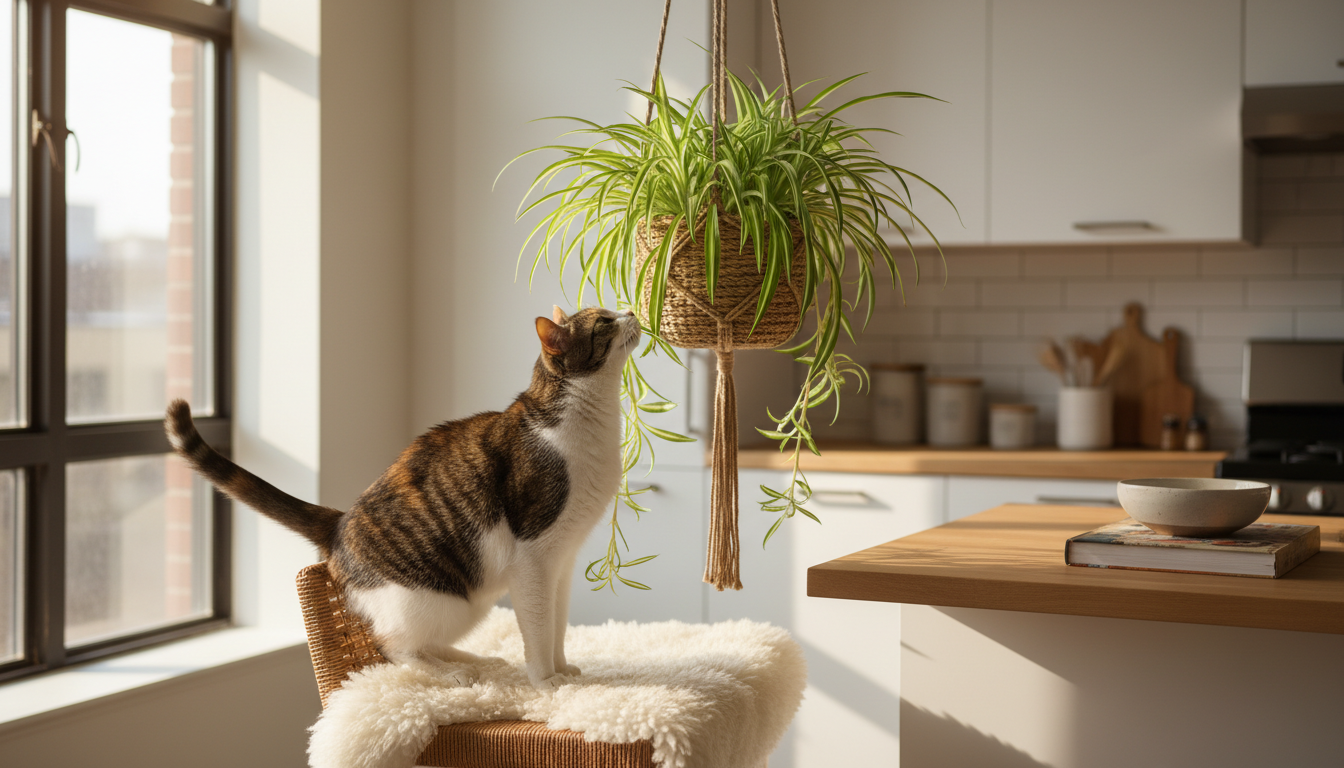
- Pet-safe alternatives: Calatheas, Spider Plants, Boston Ferns, Peperomias, Parlor Palms, and African Violets.
Soil Chemistry and The Mechanics of Watering
Indoor plant care failures are rarely the result of “having a black thumb.” They are almost always failures of drainage and soil porosity. Standard commercial potting soil is overwhelmingly composed of sphagnum peat moss. While peat moss has a high Cation Exchange Capacity (CEC)—meaning it effectively holds onto nutrients—it also retains massive amounts of water and compacts heavily over time.
When compacted soil remains hyper-saturated, oxygen cannot reach the root zone. Anaerobic bacteria multiply rapidly, leading to the condition known as root rot. To adapt soil for small space container gardening, you must physically alter its composition by adding aggregates.
A professional-grade indoor potting mix usually follows a ratio of 60% organic material (coco coir or peat), 30% drainage aggregate (perlite or pumice), and 10% nutritional amendments (worm castings or horticultural charcoal). This airy composition mimics the natural forest floor, ensuring water passes quickly through the root zone, drawing fresh oxygen behind it as it drains.
Watering small space plants is not about routine frequency on a calendar. It is about understanding the Vapor Pressure Deficit (VPD) of your apartment—how the specific temperature and dry air of your HVAC system pulls moisture from the soil and leaves. Always water based on soil dryness, not a day of the week.
Common Mistakes in Indoor Plant Care
Even with accurate light mapping and well-draining soil, several structural mistakes consistently compromise urban gardening efforts.
- Overpotting: Placing a small root ball into a massively oversized pot. The excess soil holds more water than the small root system can uptake, guaranteeing rot.
- Ignoring Acclimation: Moving a plant directly from a highly humid greenhouse into the dry, aggressively air-conditioned environment of an apartment without an adjustment period causes extreme environmental shock and leaf drop.
- Skipping Quarantine: Introducing a new plant directly to your existing collection without screening for pests.
The 14-Day Mandatory Quarantine Checklist
A second renter, Lena, illustrates the danger of skipping quarantine. She buys a Calathea from a big-box store and immediately places it on her crowded living room shelf. Unbeknownst to her, the new plant harbors a microscopic population of two-spotted spider mites. Within weeks, the infestation spreads through the ambient airflow, aggressively attacking her entire collection and causing hundreds of dollars in damage.
To prevent ecosystem collapse, strict quarantine protocols are required for all urban gardens. Furthermore, implementing these operational rigors supports broader environmental goals, expanding on concepts found in our deep dive into sustainable gardening in urban spaces.
- Physically isolate the new plant in a separate room (like a bathroom) for a minimum of 14 days.
- Wipe down all leaves, top and bottom, with a microfiber cloth dampened with insecticidal soap.
- Inspect the crotches of stems daily with a flashlight for fine webbing (spider mites) or white fluffy masses (mealybugs).
- Apply a preemptive, systemic soil drench using a natural neem oil emulsion to disrupt the lifecycle of fungus gnats.
Keeping Valuable Plants Healthy in Small Spaces
As apartment gardeners transition from growing common pothos to acquiring mature, highly variegated rare aroids, careful documentation can make everyday care more consistent. Specimens like the Philodendron Spiritus Sancti or mature Monstera Albo Borsigiana represent significant financial investments and require uniquely calibrated care routines.
Record each plant’s light level, watering cues, fertilization schedule, repotting date, and pest-treatment history in a simple notebook or spreadsheet. Use purchase records rather than specialized provenance terminology, and photograph valuable plants periodically so changes in growth, variegation, or damage are easy to track.
A useful small-space habit is to group plants with similar light and watering needs, then label each pot with its last-watering date. This reduces guesswork, prevents accidental overwatering, and makes the collection easier for anyone else in the household to maintain.
Step-by-Step Urban Garden Setup
Deploying a new indoor garden in a small space demands systematic execution to prevent subsequent rework.
- Assess Environmental Capabilities: Measure the distance from your largest window. Note the compass direction facing out. Map whether the spot sits directly in the path of AC vents or heating radiators, which act as fatal micro-deserts for plants.
- Verify Structural Safeguards: Purchase robust, non-porous plant stands and thick plastic drip trays before purchasing any actual foliage to protect residential flooring.
- Source Strategically: Purchase plants from reputable indoor nurseries rather than outdoor garden centers, as outdoor-grown plants often harbor hidden pests looking for a warm winter sanctuary inside your apartment.
- Implement Strict Quarantine: Utilize a secondary space—most often a bathroom with a frosted window—for the requisite 14-day observation period.
- Execute Repotting Protocols: Discard the densely packed nursery soil. Refresh the root system with a custom-mixed 60/30/10 aerated substrate to immediately prevent anaerobic compaction.
Frequently Asked Questions
Question: Do indoor plants actually purify the air in small apartments?
Answer: No, not to a meaningful degree. While the famous NASA clean air study proved plants can reduce VOCs in sealed space-station chambers, modern research shows you would need hundreds of plants in a standard apartment to compete with the air-exchange rate of a basic HVAC system.
Question: How often should I water my indoor plants?
Answer: You should never water on a rigid schedule. Investigate the soil manually. For tropical plants, wait until the top two inches of soil are dry. For succulents, allow the entire pot to dry out completely. Environmental factors like heating and humidity constantly shift evaporation rates.
Question: What is the best potting soil for apartment gardening?
Answer: Avoid straight commercial soil, which is often too dense and prone to root rot indoors. The ideal substrate is a custom chunk-mix featuring coco coir, heavy amounts of perlite or pumice for drainage, and organic matters like orchid bark for structure and aeration.
Question: Why are the tips of my plant's leaves turning brown and crispy?
Answer: Brown, crispy leaf tips heavily signal a lack of atmospheric humidity, commonly caused by indoor heating systems. It can also indicate a buildup of tap-water minerals, like chlorine and fluoride, in the soil. Flushing the soil with distilled water often mitigates mineral toxicity.
Question: Can I use standard light bulbs to grow plants indoors?
Answer: Standard incandescent or basic household LED bulbs lack the intensity and required light spectrum (specifically red and blue wavelengths) to drive photosynthesis. You must use dedicated full-spectrum LED grow bulbs that provide adequate Photosynthetic Photon Flux Density (PPFD).
Question: Are succulents a good choice for dark apartments?
Answer: Succulents are the worst choice for dark apartments. They are desert plants requiring highly intense, direct sunlight for multiple hours a day. Placed in a low-light area, they will quickly stretch out, lose structural integrity, and rapidly rot from damp soil.
Question: How do I get rid of tiny black flies in my houseplant soil?
Answer: Tiny black flies are fungus gnats. They breed in constantly damp topsoil. To eradicate them naturally, let the top few inches of the soil dry out entirely, use yellow sticky traps to catch flying adults, and water with a diluted mixture of mosquito bits (BTI) to kill larvae.
By Cipherwill Editorial Team, Reviewed by Cipherwill Review Board, Trust & Security Review Team
Editorial contributor: Vedant Kulshreshtha
Review contributor: Reyansh Mehta